
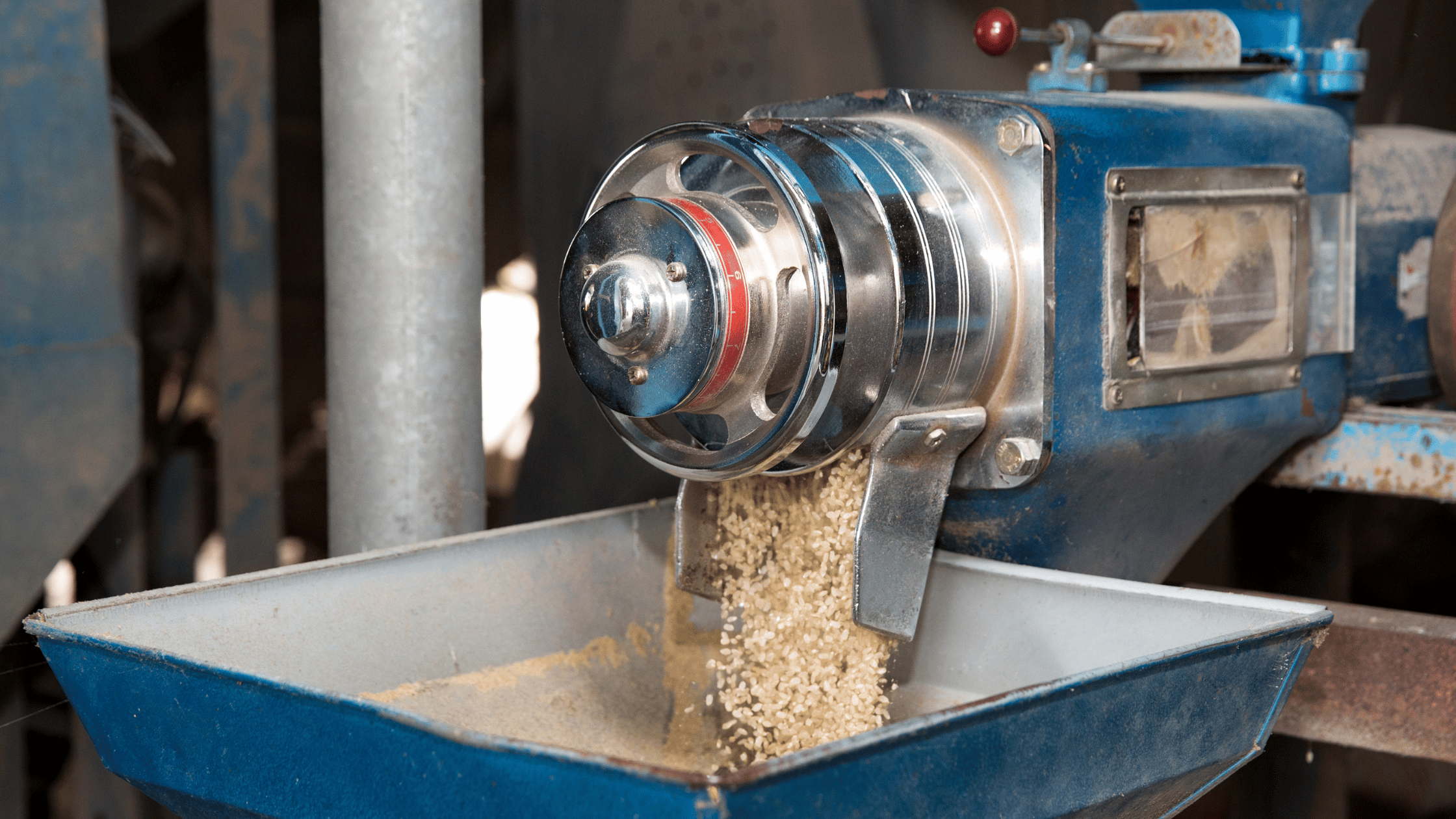
Should You Buy a Budget Rice Sorting Machine? What You Need to Know
Introduction
For rice mill owners, farmers, and agricultural cooperatives, a rice sorting machine is a key component in ensuring the quality and market value of the final product. These machines sort rice grains based on color, size, or imperfections, removing broken grains, discolored kernels, stones, or foreign matter.
But while high-end machines offer powerful performance and advanced technology, they also come with a hefty price tag. That leads many small-scale or budget-conscious operators to ask: “Should I buy a budget rice sorting machine instead?”
Budget rice sorting machines are often significantly cheaper—sometimes a fraction of the cost of premium models—but do they actually deliver reliable results? Can you trust them to maintain quality standards? In this article, we explore the pros and cons of buying a low-cost rice sorter, what to look for, and whether it’s the right decision for your operation.
What Is a Rice Sorting Machine?
A rice sorting machine is used to automatically separate good rice grains from defective or unwanted ones. Using technologies like CCD (Charge-Coupled Device) cameras, near-infrared sensors, or air jets, these machines can detect:
- Discolored or damaged grains
- Stones or foreign materials
- Broken or undersized grains
The result is a cleaner, higher-quality batch of rice that fetches better market prices and meets export or retail standards.
The Appeal of Budget Rice Sorting Machines
1. Lower Initial Investment
The most obvious benefit of buying a budget rice sorting machine is the significantly reduced upfront cost. High-end sorters can cost hundreds of thousands of baht (or thousands of USD), while budget models may start at one-fifth of that price.
This is especially attractive for:
- Small-scale farmers
- New rice milling businesses
- Co-ops with limited capital
It allows access to automation and improved rice quality without breaking the bank.
2. Basic Sorting Capabilities
Many budget machines offer the essential functions—removing discolored rice, stones, or broken grains—sufficient for entry-level operations or domestic markets.
If you’re not aiming for export-grade perfection, a low-cost machine might be “good enough” for your needs.
3. Compact and Energy Efficient
Budget rice sorters often come in smaller sizes with lower power consumption, making them ideal for businesses with:
- Limited floor space
- Rural locations with weak electrical infrastructure
- Lower production volume requirements
What to Watch Out for in Budget Rice Sorting Machines
While the lower price tag is attractive, there are important trade-offs and potential risks you should consider.
1. Lower Sorting Accuracy
Cheap machines may not have high-resolution sensors or powerful processing units. This can result in:
- Missed defects
- Inconsistent sorting results
- Higher product rejection rates
If you’re targeting premium markets or export standards, this may compromise product quality.
2. Build Quality and Durability
Low-cost machines are often made with cheaper materials, which can affect:
- Mechanical durability (wear and tear of belts, hoppers, or ejectors)
- Resistance to moisture or dust (important in rural rice mills)
- Long-term stability of the camera or lighting systems
Breakdowns can lead to costly downtime or maintenance headaches.
3. Limited Software and Features
Premium models usually come with:
- Intuitive touchscreen controls
- Multi-language interfaces
- Easy adjustment settings for different rice types
Budget models might offer basic control panels with fewer customization options, which may not be ideal if you process multiple rice varieties or want granular control over quality.
4. After-Sales Support and Spare Parts
One of the biggest risks with cheap rice sorters—especially imported ones—is the lack of after-sales service or support. Key issues include:
- No warranty or poor response time
- Difficulty finding spare parts
- No local technician for repairs
Without support, even a minor technical problem can render your machine useless.
How to Evaluate a Budget Rice Sorting Machine Before Buying
If you decide to explore budget options, here are tips to minimize risk and maximize value:
✅ Do a Live Demo or Ask for Sample Output
Request a live test or review sample output photos/videos. This will give you a real sense of the sorting quality and consistency.
✅ Check the Camera Resolution and Sensor Technology
Look for machines with at least CCD cameras and infrared sensors. Avoid units that rely solely on outdated tech or analog components.
✅ Inspect the Frame and Build Material
Choose models with stainless steel construction or rust-resistant parts, especially if your mill is in a humid or dusty location.
✅ Confirm Local Support or Spare Parts Access
Ask these questions before buying:
- Is there a local distributor or technician?
- How fast can you get spare parts?
- What is the warranty period?
✅ Look for Real Customer Reviews
If you’re buying online or from a lesser-known brand, search for user feedback, farm forum reviews, or Facebook group discussions to verify claims.
When Is a Budget Rice Sorting Machine a Smart Choice?
A cheap rice sorting machine can be a good investment if:
- You have small to medium production volume
- Your primary market is local or domestic
- You need basic sorting functions, not perfection
- You’re starting out and want to minimize risk
- You’ve done your research and found a trusted brand with solid support
In many cases, a budget model can serve as a stepping stone, helping you increase efficiency and product quality until you’re ready to scale up.
When You Should Consider Spending More
Investing in a higher-end rice sorter might be a better idea if:
- You need export-grade sorting precision
- Your business handles high production volumes daily
- You want to sort multiple grain sizes or rice varieties
- You prioritize long-term durability and advanced features
- Your operation is part of a certified supply chain
Think of it as a long-term investment: higher cost upfront, but with more savings, efficiency, and reputation over time.
Conclusion
So, should you buy a budget rice sorting machine? The answer depends on your specific business size, market needs, and long-term goals.
A well-chosen budget machine can offer solid value, especially for smaller mills or those just starting out. But it’s crucial to evaluate carefully—cutting costs upfront shouldn’t mean sacrificing quality, support, or reliability.
Before making a decision, compare features, test outputs, and ensure there’s reliable support behind the machine. If the budget option meets your sorting needs and has dependable after-sales service, it could be the perfect fit for your operation.
In short: cheap doesn’t always mean bad—but cheap without research could cost you more in the end.